Kedarnath Route and Darshan Planning
Kedarnath

Kedarnath Route and Darshan Planning

Detailed guide for Kedarnath Yatra route, Gaurikund trek, helicopter options, hotel stays, darshan timing, packing and booking planning.

Why Kedarnath needs careful route planning

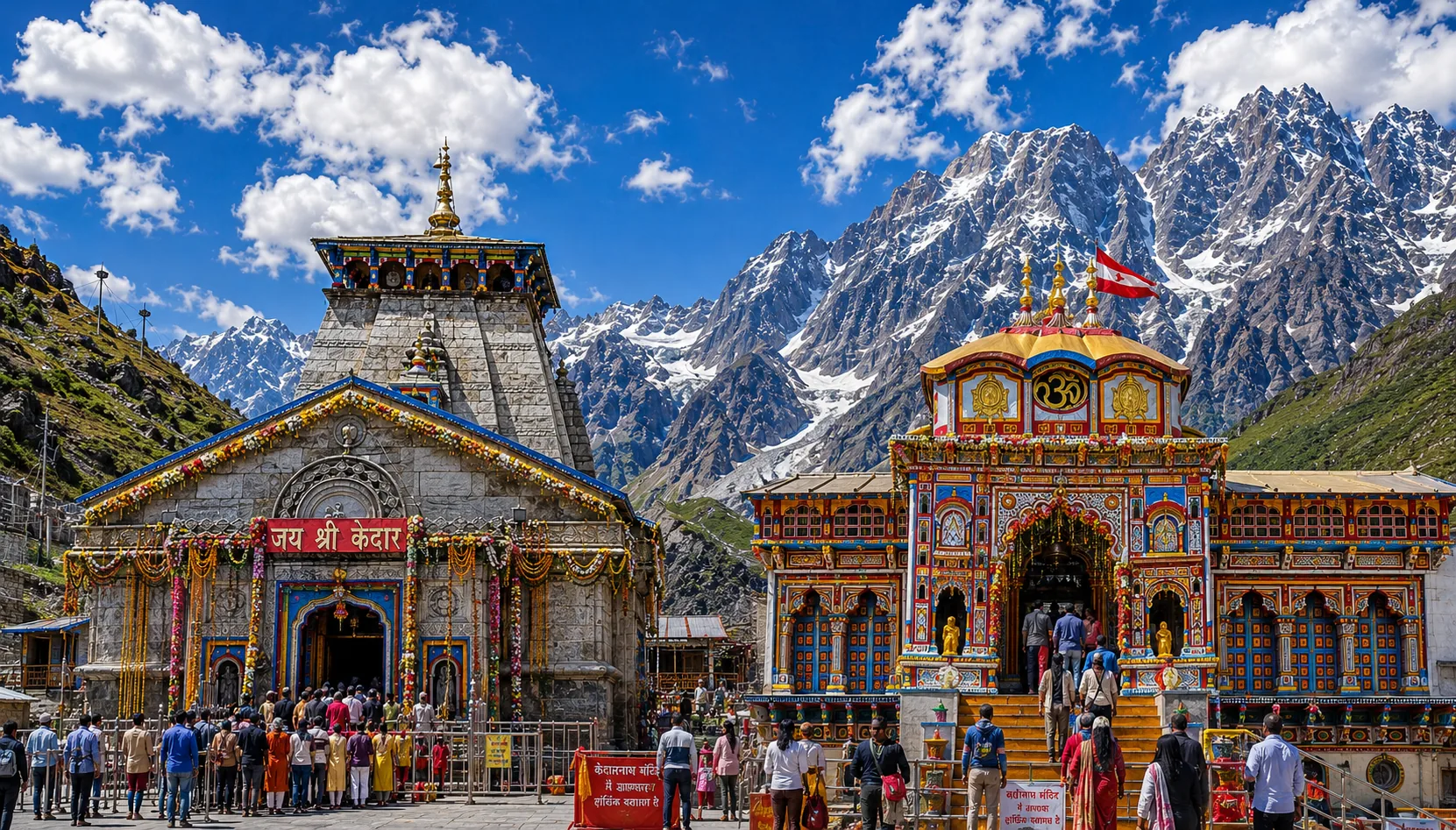
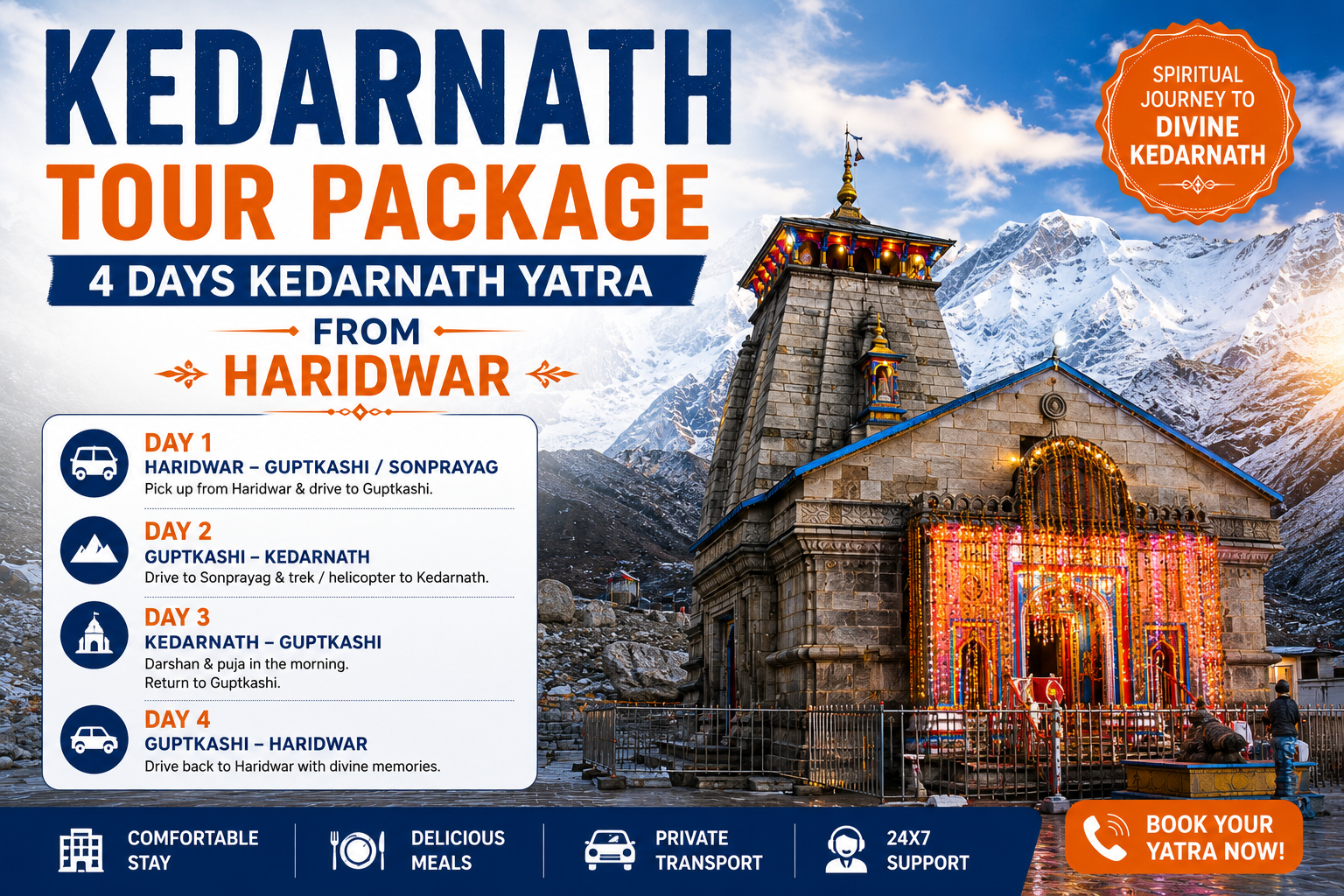
Kedarnath Yatra is one of the most powerful spiritual journeys in Uttarakhand, but it is also a route that needs careful planning. The temple is located high in the Himalayas, and reaching it involves road travel, local transfers and a long trek or helicopter arrangement. A good Kedarnath Yatra package does not simply book a vehicle and hotel; it plans timing, stamina, weather buffer and darshan comfort.

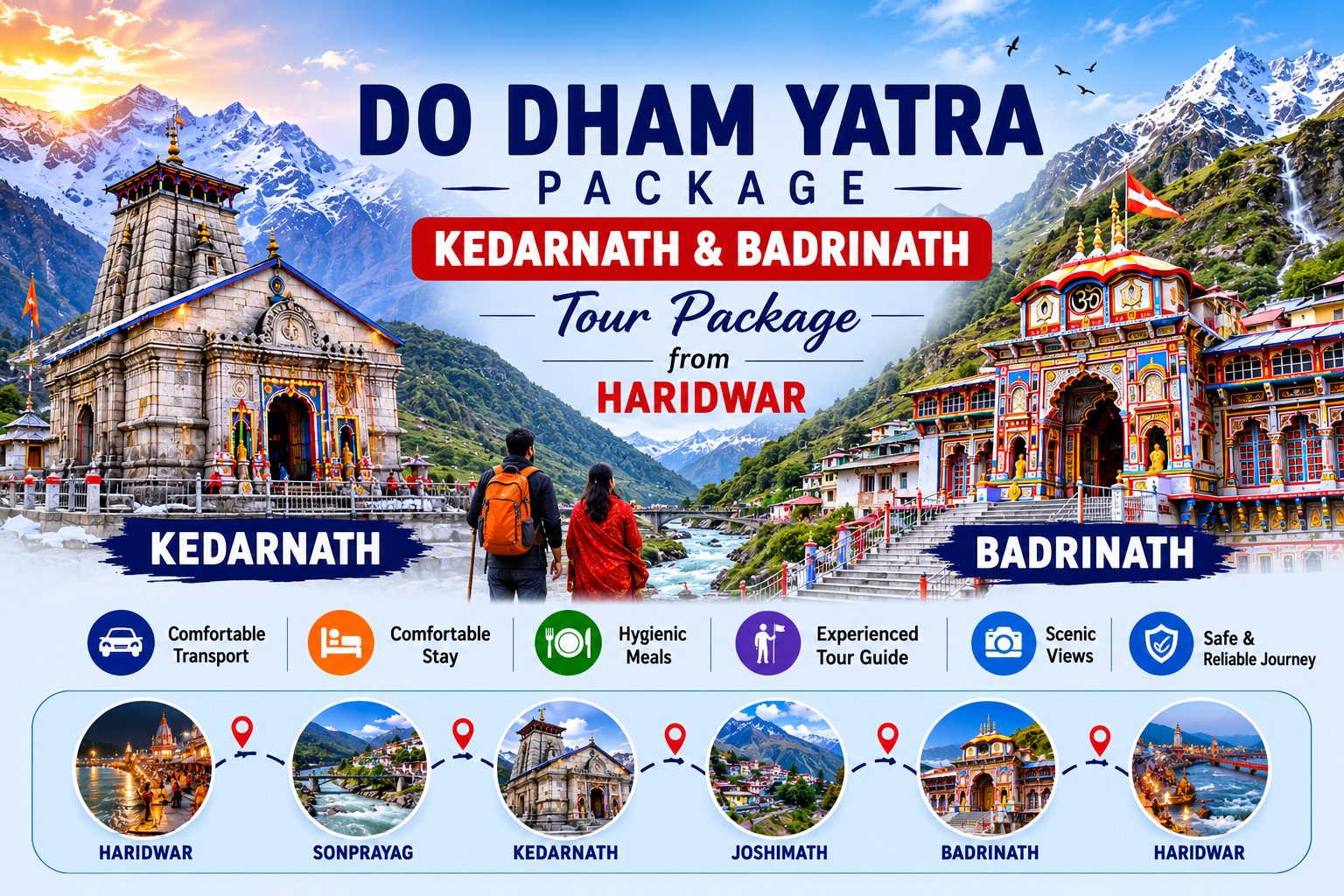
Most travelers begin from Haridwar, Rishikesh or Dehradun. The route usually moves through Devprayag, Rudraprayag and Guptkashi or Sitapur. From the base area, travelers go to Sonprayag, take local shuttle arrangements to Gaurikund and then begin the trek to Kedarnath. Each step has its own timing and crowd factor.

If you are planning Kedarnath for the first time, avoid last-minute decisions. Hotel availability, helicopter slots, weather, local transport and route traffic can all affect your experience. Planning early gives you more control and better comfort.

Understanding the Kedarnath route

The common road route is Haridwar or Rishikesh to Guptkashi, Phata, Sitapur or Sonprayag area. This drive can take most of the day because mountain roads are slow and scenic. It is better to start early, keep meal breaks light and avoid reaching the base too late.

Sonprayag is an important control point. Private vehicles generally do not go all the way to Gaurikund. Travelers use local shuttle systems as per current arrangements. From Gaurikund, the trek route begins. The trek is long, and even fit travelers should start with patience.

The return journey also needs planning. Many people underestimate the downhill trek and road transfer after darshan. If you are tired, it is better to keep the return day flexible. A comfortable itinerary gives space for recovery instead of forcing a long drive immediately after trek.

Trek, pony, palki and helicopter options

The Kedarnath trek from Gaurikund is roughly 16 km. It is a mountain route, so the time taken depends on fitness, weather and crowd. Good shoes, rain protection, light backpack and early start are very important. Carry only necessary items and keep documents safe.

Pony and palki options are available locally as per route operations and availability. These are useful for senior citizens or travelers who cannot trek the full distance. Rates and availability may vary, so discuss expectations before the travel date.

Helicopter is a popular option, but it depends on weather, official operations and slot availability. Even with helicopter planning, keep buffer time because mountain flying can be delayed. Do not create a very tight itinerary around helicopter assumptions.

Darshan timing and stay planning

Kedarnath darshan planning depends on when you reach the temple area. Some travelers stay near Kedarnath top, while others return the same day depending on stamina and timing. Top stay is basic and limited compared to base hotels, so expectations should be realistic.

Base stays such as Guptkashi, Sitapur and Phata are commonly used in Kedarnath packages. These places provide better hotel options and make route coordination easier. Choose hotel category based on comfort, hot water availability, food and parking access.

If you want a peaceful darshan experience, avoid rushing. Start early, keep warm clothes and prepare for sudden weather changes. Even during yatra season, the weather near Kedarnath can feel cold, especially morning and evening.

Packing and health tips

Kedarnath packing should be simple and practical. Carry warm layers, raincoat, comfortable shoes, torch, water bottle, basic medicines, ID proof, power bank and dry snacks. Avoid heavy luggage on trek. If you have health issues, consult your doctor before high-altitude travel.

Hydration is important, but avoid overeating during trek. Walk steadily and take small breaks. If traveling with elders, keep route support and backup options ready. Inform your travel planner about age group and health conditions so the itinerary can be paced correctly.

Mobile network can be inconsistent in mountain areas. Keep family informed before the trek and follow local instructions. A local support team helps with coordination, but travelers should also stay patient because mountain routes can change quickly.

Booking advice for Kedarnath Yatra

When booking a Kedarnath Yatra package, ask for day-wise itinerary, hotel location, vehicle inclusions, meal plan and route support. Also ask what is not included, such as helicopter, pony, palki, lunch or personal expenses. Clear understanding before payment prevents confusion during travel.

A good Kedarnath plan is built around safety, timing and comfort. The cheapest package may not always be the best if it reduces hotel quality, route flexibility or support. Choose an operator who explains the journey honestly and helps you prepare for the trek or helicopter option.

With practical planning, Kedarnath Yatra becomes a deeply memorable journey. The route is demanding, but the feeling of reaching the temple, seeing the mountains and experiencing the devotion around Baba Kedar is worth every careful step.
Related Tours

Book a package related to this guide.

Detailed Travel Information

Kedarnath Route and Darshan Planning - complete planning guide

Detailed guide for Kedarnath Yatra route, Gaurikund trek, helicopter options, hotel stays, darshan timing, packing and booking planning.

Overview for travelers

Kedarnath Route and Darshan Planning should be understood as a practical Himalayan travel plan, not only as a page title or a simple package name. Uttarakhand routes change with season, crowd, rain, snow, road repair, temple timing and hotel availability, so a good plan explains what will happen before the traveler starts the journey. Kanishka Travel focuses on travel education, route guidance, season knowledge, packing clarity and informed package selection so that guests can compare the real comfort level of a route. The important points are not limited to price; travelers should also check where the journey starts, how many hours the vehicle will move each day, where night halts are planned, how early temple visits begin, what kind of food is available and how quickly help can be arranged during the tour.

Route and itinerary clarity

The strongest itinerary is the one that clearly explains road access, daily timing, weather windows, temple rush, local rules, stay planning and backup options. Mountain travel cannot be judged only by map distance because a short road section may take more time during peak yatra season or after rainfall. For Char Dham, Kedarnath, Badrinath, Gangotri, Yamunotri, Auli, Chopta, Valley of Flowers and other Uttarakhand places, the day plan should leave enough margin for check-in, meals, rest, darshan, sightseeing and unexpected traffic. A professional plan also tells travelers when to start early, when to avoid unnecessary detours, where mobile network may be weak and which halt is more comfortable for families. This page is designed to help visitors understand the subject before they ask for a final quote.

Hotels, transport and comfort level

Hotels and vehicles decide a large part of the travel experience. On mountain routes, a hotel should be selected by location, cleanliness, parking, heating or hot water availability, meal reliability and approach road, not by star rating alone. Similarly, the vehicle should match group size, luggage, route condition and daily journey length. A small car may be economical for two travelers, while a family may prefer an SUV or Innova type vehicle for better comfort. Larger groups may need a tempo traveller, but seating comfort and road suitability should still be checked. Kanishka Travel can explain budget, standard, deluxe and premium differences so that the final package is practical rather than confusing.

Who this page is useful for

This information is useful for people researching before choosing a package or confirming a custom Uttarakhand itinerary. First-time visitors often need help understanding how much road travel is involved, whether one extra night is useful, which destination should be combined, and what kind of package is realistic for the travel date. Senior citizens may need slower travel, better located hotels, fewer late-night drives and more rest time. Families may focus on meals, safety, clean rooms and private vehicle support. Groups may compare total cost, pickup points, seating and room sharing. Couples may prefer privacy, scenic halts and better stay quality. The right plan is the one that balances budget with comfort and does not hide route pressure.

Season, weather and timing

Uttarakhand travel is strongly connected with season. Summer months are popular for pilgrimage and family holidays, but they can also bring crowds and limited hotel availability. Monsoon months need extra care because landslides, road blocks and delayed travel are possible in several hill sections. Winter travel can be beautiful around Auli, Chopta, Mussoorie and lower Himalayan routes, while high altitude temple circuits have seasonal restrictions. Before booking, travelers should ask about the best month, expected temperature, road condition, clothing, early morning starts and backup options. A realistic plan will never promise that mountains behave like city roads; it will build enough flexibility so the journey remains manageable.

Inclusions and exclusions

Every traveler should read inclusions and exclusions carefully. Common inclusions can be hotel stay, private vehicle, driver allowance, tolls, parking, selected meals and local route support, but each package may differ. Common exclusions may include personal expenses, pony or palki, helicopter tickets, special entry, travel insurance, laundry, tips, extra meals, room heater charges, guide fees or anything not written in the final confirmation. A transparent quote prevents misunderstanding during the journey. When comparing two prices, always compare the same hotel type, vehicle type, number of nights, meal plan and pickup city. A lower price is not always better if it removes comfort or creates hidden costs later.

How to request the best quote

To receive a useful response, use the guide to shortlist your route, then ask the team to convert it into a bookable plan. The enquiry should mention destination, travel date or month, number of adults and children, pickup city, hotel category, vehicle preference, budget range and any special needs such as senior citizens, children, medical concerns, late arrival or strict return date. If the route is flexible, mention that too, because the team may suggest a better halt or a more comfortable number of days. The more accurate the enquiry details are, the better the quote will be. This also helps the travel expert avoid generic pricing and share a plan that fits the actual journey.

Local support and safe planning

Local support matters in Uttarakhand because routes, weather, traffic and temple arrangements can change quickly. A travel company with ground knowledge can advise when to start, which stretch may be slow, where to take a break, how to manage darshan timing, and when a route adjustment is better than forcing the original plan. Safety planning includes driver familiarity with hill roads, realistic daily distance, emergency contact support, practical hotel selection and honest communication before booking. Kanishka Travel is based in Dehradun and works around Uttarakhand routes, so the planning focus remains connected to actual local movement rather than only brochure-style descriptions.

Final booking checklist

Before confirming Kedarnath Route and Darshan Planning, check the itinerary day by day, hotel names or category, room sharing, meal plan, vehicle type, pickup and drop point, payment schedule, cancellation policy, refund rules, extra charges and support contact. Keep identity documents ready where required, pack according to season, carry basic medicines, confirm reporting time with the driver, and avoid overloading the day plan with too many places. Travelers should also keep some buffer time for mountain delays, especially during yatra season. A clear checklist makes the journey smoother and gives every guest the confidence that they understand what is included, what is optional and what should be confirmed again before departure.

FAQs

Kedarnath Route and Darshan Planning FAQs

Helpful answers based on this page, package, destination and common Uttarakhand travel planning needs.

Are travel guides updated for route planning?

Guides are written to help with route, season, stay, packing and travel expectations for Uttarakhand trips.

Should I still confirm current road conditions?

Yes, mountain routes can change due to weather, traffic and local advisories, so final travel planning should be confirmed before departure.

Can Kanishka Travel plan a trip based on a guide?

Yes, share the guide topic or destination and the team can convert it into a practical package plan.

Do guides include booking support?

Guides explain planning, while booking support is handled through enquiry, call or WhatsApp.

When is the best time to travel in Uttarakhand?

May to June and September to October are preferred for many yatra routes. Winter and monsoon plans need extra weather and road flexibility.

Is advance booking required?

Advance booking is recommended during Char Dham season, long weekends, school holidays and snowfall periods because hotels and vehicles fill quickly.

Can senior citizens travel on these packages?

Yes, but the route should be planned with realistic halts, suitable hotels, medical awareness and clear walking or helicopter choices.

What happens if weather affects the route?

The team coordinates practical route adjustments, timing changes and stay changes according to local conditions and safety advice.

Are permits or registrations required?

Some yatra routes require official registration or local formalities. The team guides travelers about the required process before travel.

How are payments handled?

Booking is usually confirmed with advance payment after route, hotels, vehicle, inclusions and cancellation terms are shared clearly.

Hi! How can we help?
I have a question Tell me more
1WA