Package Planning Guide
Why this Char Dham tour package works
Not every Char Dham tour page should try to sell quickly. Some pages should help pilgrims understand whether the journey is right for them.
This package page is created for pilgrims who want to understand the spiritual and physical flow of the yatra, know why the itinerary is structured this way, avoid rushed planning and prepare mentally before booking.
This page supports the main Char Dham Yatra planning guide and should be read before making final decisions.
What the Char Dham Yatra actually represents
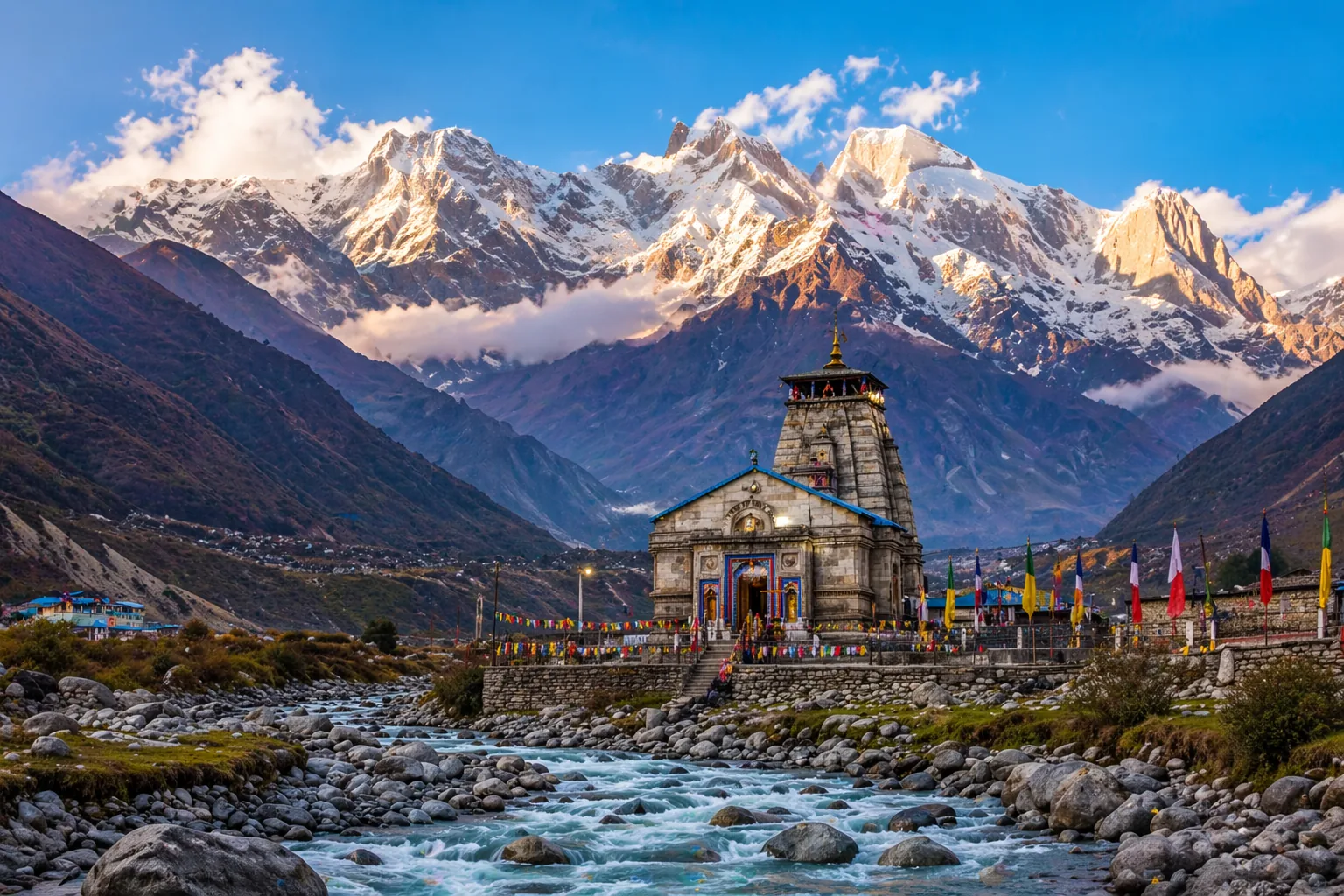
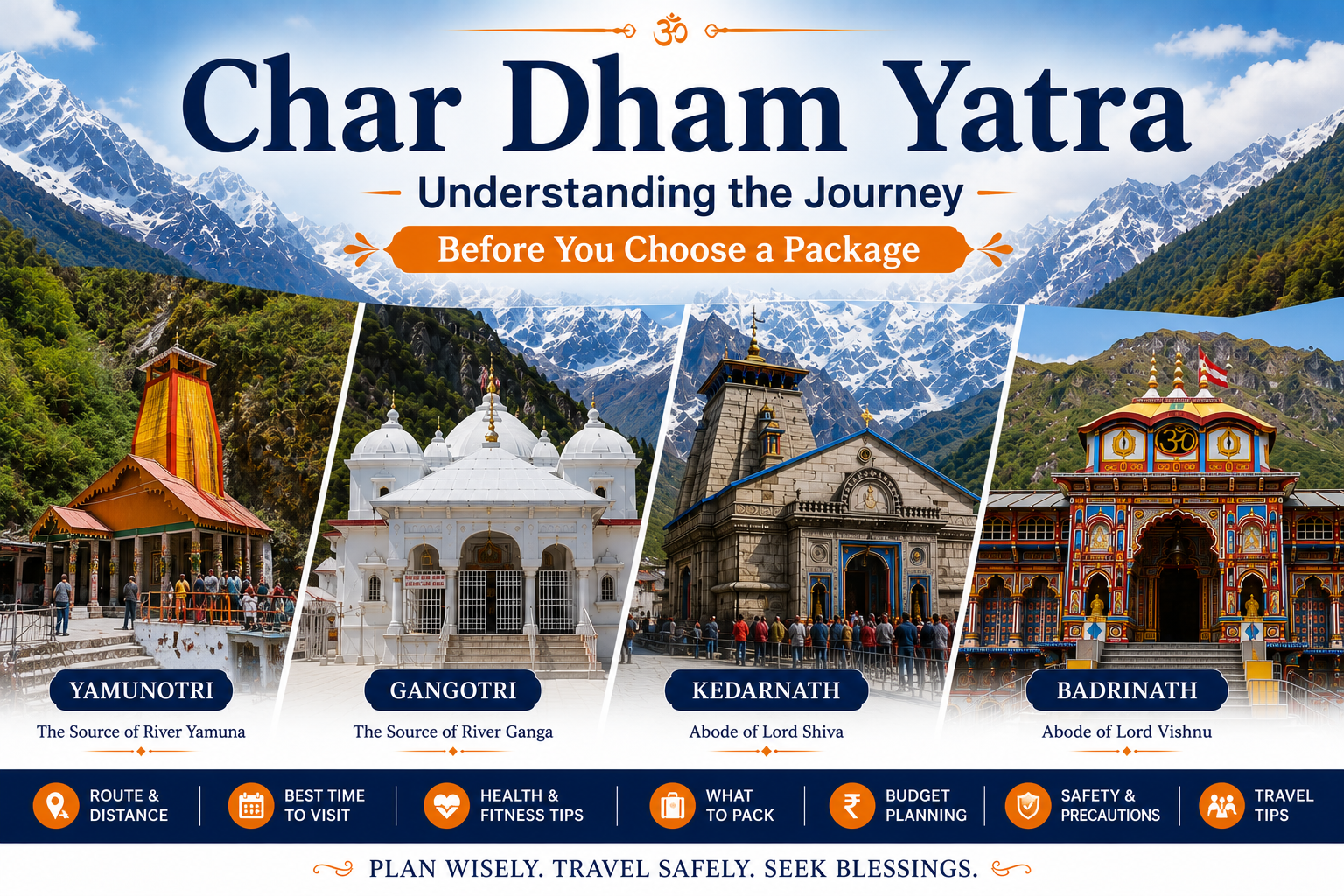
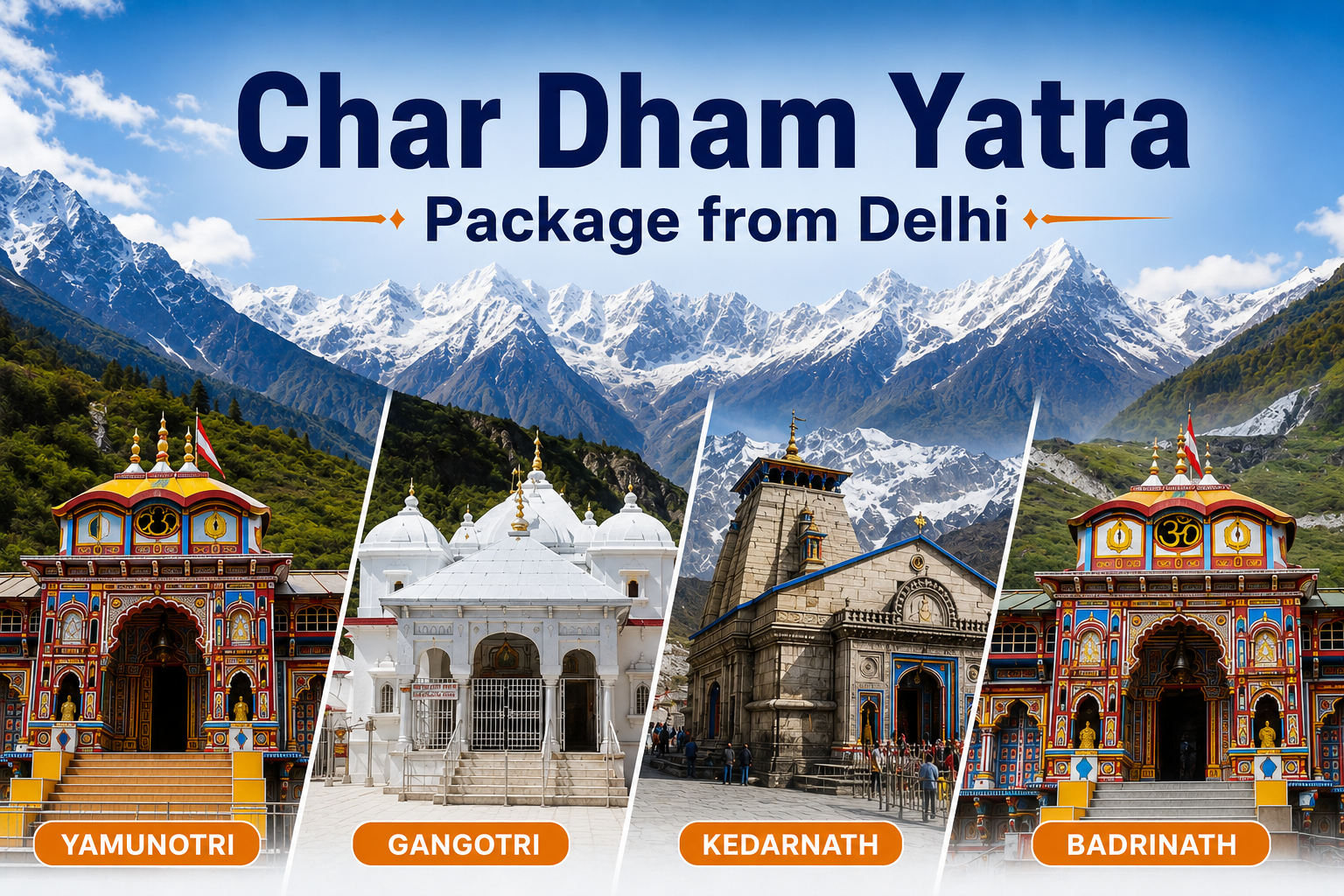
The Char Dham Yatra is not four temples connected by roads. It is a gradual Himalayan progression, both spiritually and physically.
Yamunotri brings discipline and beginning, Gangotri brings purity and mental calm, Kedarnath brings endurance and faith, and Badrinath brings completion and balance.
- Yamunotri: trek, thermal kunds and mountain silence prepare pilgrims for the days ahead.
- Gangotri: the surrounding Bhagirathi valley and Harsil route are part of the process.
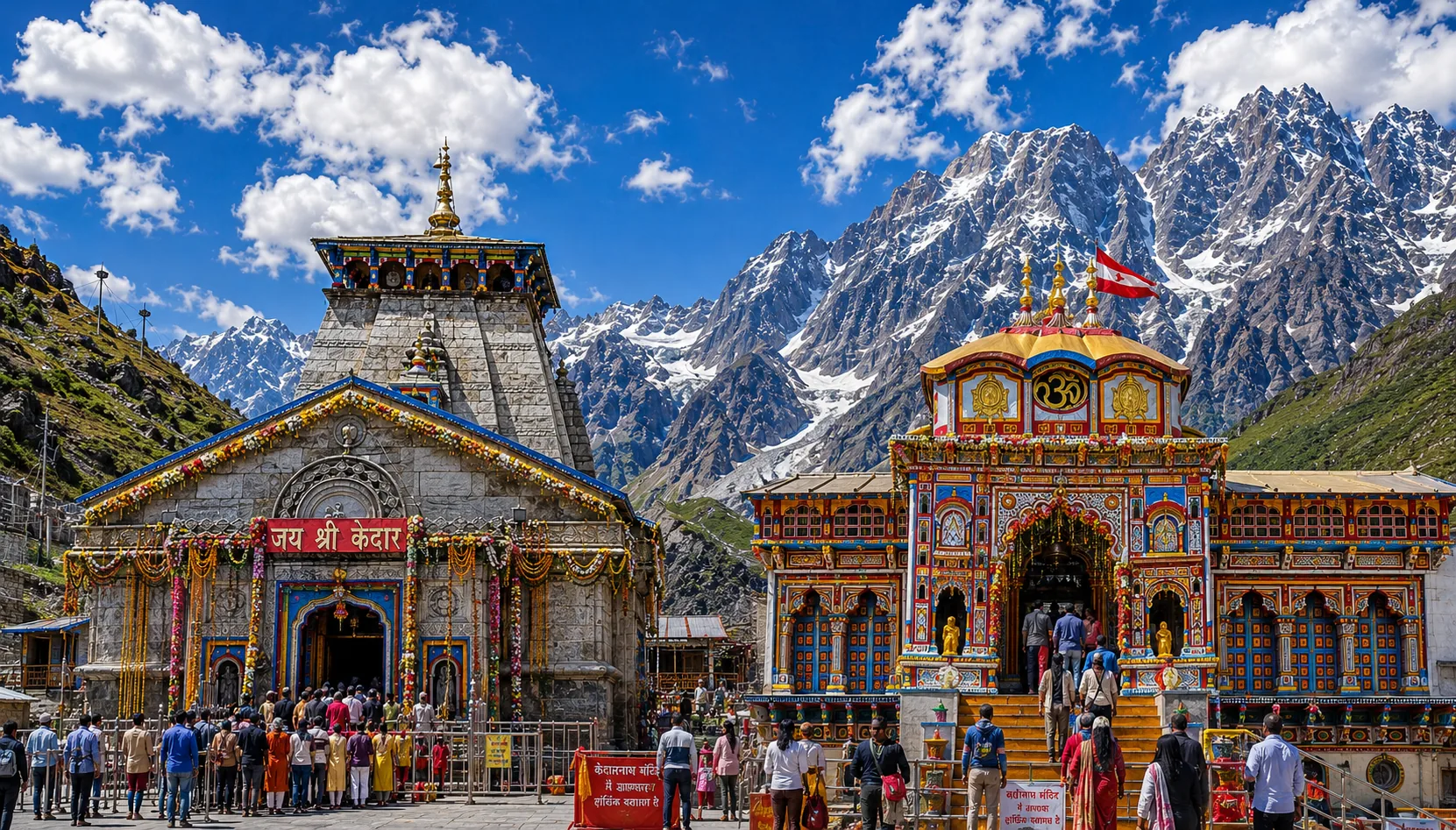
- Kedarnath: reaching Kedarnath is intentionally demanding, and this phase tests patience and devotion.
- Badrinath: the route closes with reflection rather than fatigue.
How this 10-day tour is structured
This Char Dham package is designed using mountain logic, not city assumptions. The plan considers gradual altitude gain, rest before and after demanding stretches, shorter daily driving hours, fixed night halts near critical points and flexibility for weather changes.
Places like Barkot, Uttarkashi, Guptkashi, Sersi and Srinagar are chosen for recovery, safety and route convenience.
- Balanced drive time and darshan time
- Recovery nights before and after Kedarnath
- Suitable pace for families and elderly travellers with basic fitness
- Practical route breaks instead of over-promotion
Accommodation, meals and daily comfort
Accommodation is standard, clean and location-focused. Availability depends on season and weather, so proximity to trek points matters more than hotel category in some locations.
Simple vegetarian meals are provided in most plans except restricted high-altitude conditions. Pilgrims should carry basic snacks, warm clothing and personal medicines.
- Hotels selected according to route and group size
- Breakfast and dinner options in most plans
- Food chosen for digestion, not variety
- High-altitude comfort is planned with reliability first
Important things pilgrims should know
Weather can change schedules without notice. Mobile network may not work consistently. Cash is required in remote areas. Age matters less than physical readiness, and helicopter services depend entirely on weather conditions.
These realities are part of Char Dham Yatra and should be accepted calmly before booking.
About Char Dham package pricing
Char Dham tour costs depend on number of pilgrims, vehicle category, travel month and hotel availability. This page does not display live pricing intentionally because fixed rates can mislead travellers during peak season.
For accurate routes, pickup cities, current price and availability, send an enquiry with your travel month and group size.
- Package price changes with group size
- Hotel category affects final quote
- Vehicle type and pickup city change cost
- Peak season requires early confirmation
A final note for pilgrims
The Char Dham Yatra is not something to finish quickly. It is something to complete safely and remember quietly.
If you are looking for balanced pace, understanding over promotion and preparation over pressure, this 10-day structure is designed for you.
Why this Char Dham package feels practical instead of rushed
A clear 10-day Char Dham Yatra planning page for pilgrims who want route logic, stay planning, altitude comfort, meals, inclusions, exclusions and practical pricing guidance before booking. In real travel terms, that means the package works best when the route, rest and daily movement are treated as one connected plan. Many travelers compare packages only on price or the number of temples and sightseeing points covered, but that rarely tells the full story. Char Dham Tour Package - Understanding the Journey Before You Begin (10 Days) needs a clear structure so the group can move comfortably from Haridwar, settle into the mountain rhythm and still have enough energy left for the most important part of the journey. That is why this page focuses on clarity, not inflated promises.
A well-planned Char Dham trip usually suits families, small groups and travelers who want a route-first holiday with dependable pacing. The difference comes from pacing. When the road plan respects traffic, altitude, rest stops and check-in timing, the trip feels calmer from the very first day. That is also why travelers who read the route carefully before booking often end up having a better experience than those who choose only by a short sales line. Good package planning should answer what the days will feel like, not just where the group will sleep.
How the route should be read before you compare prices
Every strong package is built around route logic. For Char Dham Tour Package - Understanding the Journey Before You Begin (10 Days), that logic includes drive hours, stay location, sightseeing order and simple route logic that still leaves room for rest. On paper, 10 days may look straightforward, but in the mountains the feel of the journey changes with pickup point, the order of halts, local road conditions and how much movement is expected from the group. A route can look shorter and still feel harder if key breaks are badly placed. On the other hand, a slightly longer itinerary often feels easier because the night halts are better chosen.
This is the main reason similar-looking packages can create very different experiences. One may push long transfers into the wrong part of the day, while another protects the route with sensible start times and recovery windows. When you compare options for Char Dham, it helps to ask whether the package allows proper arrival time, comfortable check-in, meal breaks and enough margin for weather or traffic delays. Those details may not sound dramatic, but they shape the quality of the entire journey.
Stay, meals and day-to-day comfort on this route
Travelers often assume hotel category alone defines comfort, but on a mountain route comfort usually starts with location and reliability. For Char Dham Tour Package - Understanding the Journey Before You Begin (10 Days), a good stay choice means rooms that fit the route, useful meal timing, approachable check-in support and a halt point that reduces unnecessary backtracking the next morning. Especially on hill circuits, a modest but well-placed hotel can serve the group far better than an over-promoted stay that adds extra driving at the wrong time.
Meal planning matters for the same reason. A dependable package should keep food simple, timely and suited to the route rather than promising unrealistic variety in every halt town. When travelers understand this before booking, expectations stay healthy and the trip feels smoother. The best version of this package is the one where transport, room placement and meal rhythm support each other from day to day. That is what allows families and mixed-age groups to enjoy the journey without constant fatigue.
Best season, weather expectations and the right travel window
Most Uttarakhand road journeys work best in cleaner weather windows when visibility, road movement and hotel availability are easier to manage, although the right month still depends on the destination mood you want. Weather should never be treated like a minor note in a package brochure. It affects road speed, start times, visibility, walking effort, room demand and even how relaxed the group feels at the end of the day.
For Char Dham, the best month is not only the prettiest month; it is the month that matches your group style. Some travelers want clearer skies and easier movement, others want quieter dates, and some specifically want snow mood, fresh green landscapes or darshan season timing. A useful planning conversation should line up the destination mood with the actual route conditions. That approach creates better booking confidence than vague “best time” claims, and it usually leads to fewer last-minute adjustments later.
Who should choose this package and who should slow it down
This route is ideal for travelers who want a structured plan instead of figuring out each halt on the way. That includes first-time visitors who value local guidance, families who want practical comfort, and small groups who prefer one coherent trip rather than a patchwork of hotel and cab decisions. A strong hill itinerary is usually the one that protects mornings, keeps transfers realistic and gives the group enough time to enjoy the place instead of only reaching it. When a package is matched properly to the group, the road feels lighter and the important moments do not get buried under avoidable logistics.
At the same time, not every traveler should take the same pace. Elderly pilgrims, families with very young children, or guests carrying medical concerns may need wider buffers, easier room access, or a calmer movement plan. That does not make the trip harder to organize. It simply means the right version of the package should be quoted honestly. Good package design leaves enough room to adjust the route, vehicle and stay pattern without compromising the spirit of the journey.
What changes the final package cost in real bookings
The starting rate for this package is shown as Custom Quote, but final tour cost always moves with practical booking factors. Group size, pickup city, travel month, room category, vehicle type and route changes all affect the final quote. This is normal for Uttarakhand travel and should be explained clearly instead of being hidden behind a single headline price. When travelers understand what is fixed and what is flexible, price comparison becomes much more meaningful.
The smartest way to judge value is to look beyond the base amount and read what the plan actually protects. A slightly higher quote can still be better if it gives stronger stay placement, cleaner route timing or a better vehicle fit for the group. Likewise, the cheapest option often becomes expensive if it forces avoidable changes mid-trip. For Char Dham Tour Package - Understanding the Journey Before You Begin (10 Days), cost should be read together with route quality, not separately from it.
Small preparation decisions that make the route easier
Preparation is where a package becomes genuinely useful. Travelers usually benefit from sharing expected travel month, pickup point, room preference, group age mix and any comfort concerns before final confirmation. That one step helps the route get matched correctly from the beginning. It also reduces the usual confusion around start time, halt pattern, luggage load and how much movement is practical on the most important days.
Packing also works best when done for the route rather than for photos. Comfortable walking shoes, a light backup layer, basic medicines, charger access, cash for smaller stops and weather protection matter more than overpacking. If the package includes multiple climates or altitude changes, these details matter even more. A grounded package page should prepare travelers for the feel of the journey, not only the marketing highlights, and that is exactly why this extra planning copy matters.
Why comparing related packages before booking is a smart move
Many travelers do better when they compare this route with one or two close alternatives before paying an advance. Sometimes the better choice is not a different destination but a different pace, a different pickup city or a shorter combination that fits the group more naturally. If you are considering Char Dham Tour Package - Understanding the Journey Before You Begin (10 Days), it helps to compare similar packages that share the same regional logic but change the effort level, sightseeing balance or number of travel days.
That comparison is useful because it prevents rushed decisions. It can reveal whether your group would enjoy a more compact plan, a slower version of the same circuit or a route with fewer transfers and stronger hotel comfort. When travelers compare one good route with another before booking, the final decision usually feels clearer and the selected package fits the group more naturally.